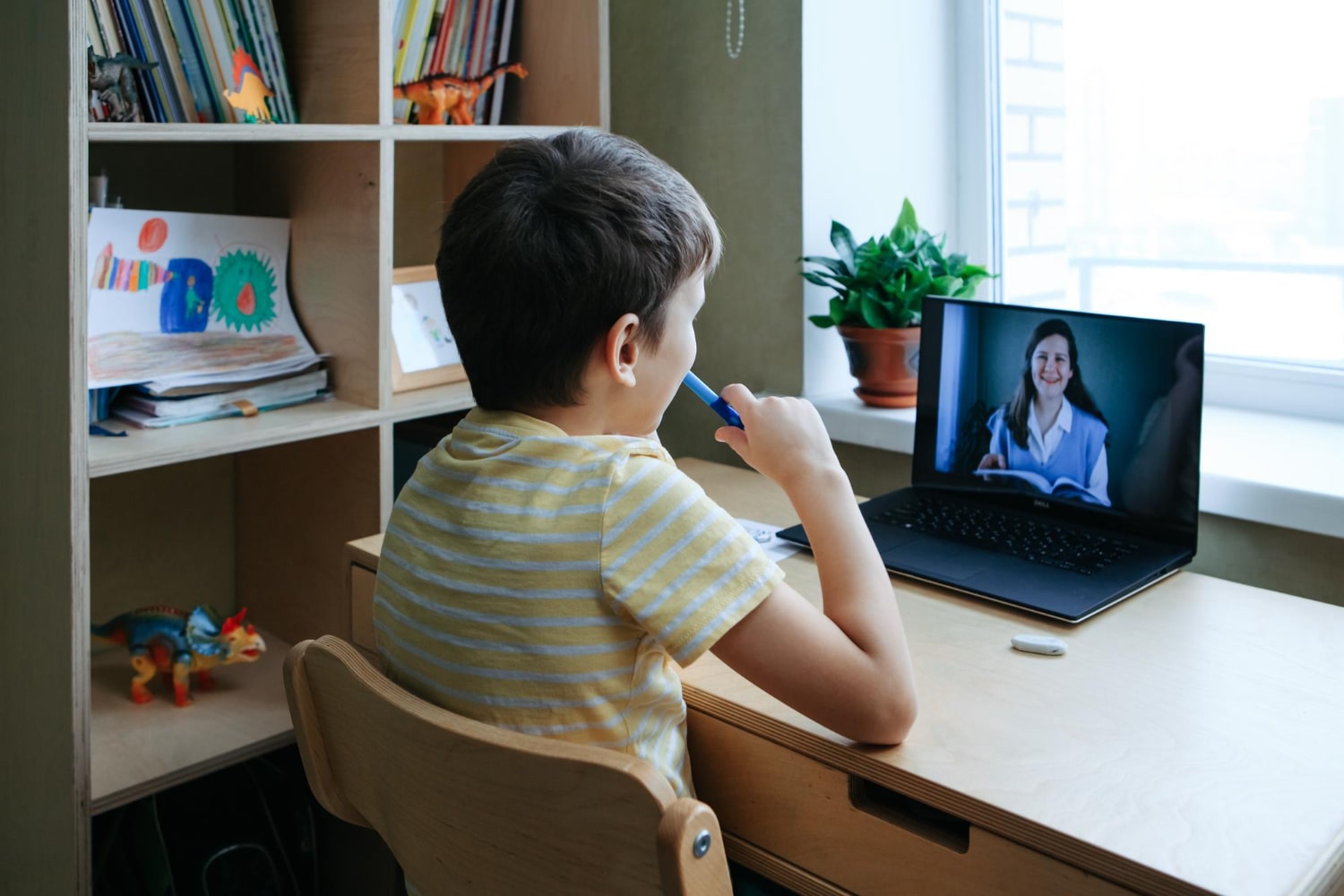
Most parents are surprised the first time they watch an online therapy session. They expect long conversations, maybe a little coaching, or a therapist asking gentle questions while the child sits and listens.
But that is not what truly happens.
A trained special needs therapist builds sessions that feel more like guided play, problem solving, skill building and emotional practice than a conversation. It is structured, intentional, and very different from the kind of screen time parents usually imagine. If your child has autism, ADHD, sensory needs, learning delays or anxiety, knowing what actually happens during online therapy can help you feel a lot more confident about choosing it.
Let’s walk through what a good therapist does behind the scenes and right there on screen.
True Professional Specialists Start by Making the Child Feel Safe
For many kids, switching into “therapy mode” takes a minute. Specialistis at UniElicare know that emotional safety comes before any skill practice. So the first few minutes are gentle.
Sometimes they start with a simple greeting. Sometimes a favorite song. Sometimes a familiar visual card or a routine the child already knows.
What matters is that the child feels seen, not rushed.
Kids with special needs often have a hard time coping with transitions. Online therapists intentionally create those small openings that help the child settle and stay regulated.
Sessions Are Interactive, Not Just Talk-Based
Parents are often surprised by this part.
Good online therapy rarely involves the child sitting and chatting. Instead, sessions are filled with activities designed to stretch specific developmental skills.
You might see:
- Picture cards used to practice communication
- Short games to build turn-taking
- Digital tools that help the child label emotions
- Little challenges that teach planning or problem solving
- Body movement breaks to help with sensory regulation
- Visual task boards to guide behavior
Some therapists use puppets.
Some use household objects.
Some screen-share interactive worksheets.
All of it is intentional.
The therapist is watching how your child responds, where they struggle and what helps them reset.
Trained Special Need Therapists Break Skills Into Very Small, Doable Steps
One of the biggest strengths of a skilled special needs therapist is how they simplify complicated skills into tiny, teachable parts.
For example, emotional regulation is not taught all at once. A therapist may first help your child notice body signals. Another day may focus on naming a feeling. Then later they practice a coping strategy during calm moments before ever trying it during frustration.
This approach works because children learn best when the challenge level feels “just right” instead of overwhelming.
Parents Learn Along the Way Through Online sessions
One huge advantage of online therapy is something most families don’t expect: you get to see what works.
In many traditional in-person clinics, parents wait outside. With online sessions, you hear the language the therapist uses, you see how they redirect behavior and you watch how they coach your child to try again.
Good therapists invite parents in, either during the session or afterward, to explain:
- What the child practiced
- What progress looked like
- How the parent can apply the same strategy during the week
A lot of parents say this is the moment therapy finally “clicks” for them.
Sessions Are Customized, Not Template-Based
A skilled special needs therapist does not follow a script. They pay attention to your child’s mood, energy, interests, and challenges that day and adjust the plan.
Maybe your child is overstimulated.
The therapist will slow down the pace or add a sensory break.
Maybe your child had a hard day at school.
The therapist may shift toward emotional regulation work.
Maybe your child is excited and full of ideas.
The therapist might incorporate that energy into a social or language activity.
Personalization is one of the biggest advantages of online therapy because the therapist uses real-life environments, not a clinic room.
Therapy Focuses on Real Life, Not Just Screen Skills
Good therapists care about what happens outside the session.
So your child might practice:
- Asking for help
- Handling frustration during homework
- Using coping tools when a sibling takes their toy
- Following a routine at bedtime
- Preparing for schedule changes
Skills only matter when they show up in everyday life, and therapists know this. That is why sessions often include simple real-world scenarios.
Small Wins Are Celebrated Like Big Milestones
Children with special needs often hear a lot of “don’t do this” or “try harder”. A good therapist flips that script.
They celebrate:
- Trying again after a mistake
- Showing patience for a few more seconds
- Using a strategy even once
- Sharing a feeling
- Looking at the screen when it is hard
- Participating for one extra minute
These small moments matter. They tell a child, “I see your effort”, which builds confidence more effectively than any reward chart.
They Constantly Track and Adjust Progress
Behind every session is thoughtful planning.
Therapists track:
- What the child struggled with
- What helped
- Patterns in behavior
- Emotional triggers
- What goals need adjusting
Progress in online therapy is not guesswork. It is measured, discussed and updated continuously. When something is not working, the approach changes.
Evidence-Based Methods Still Apply Online
Many parents wonder if online therapy is “real therapy”.
In most cases, yes.
Special needs therapists still use:
- Play-based learning
- Behavior strategies
- Speech and communication frameworks
- Sensory regulation tools
- Parent coaching
- Cognitive and emotional strategies
The screen does not limit the work.
It simply becomes the doorway.
Most Important of All: They Build a Genuine Relationship
Skill-building is important, but connection is the heart of progress.
A good special needs therapist becomes a safe, dependable person in your child’s week. Many children open up faster online because they are already in a familiar space and feel less overwhelmed than they would in a clinic.
Trust makes learning possible.
Final Thoughts to Choose a Special Need Therapists
Online therapy is not just a video call.
It is interactive, structured, warm and rooted in real clinical practice. A good special needs therapist uses creativity, empathy and evidence-based tools to help your child grow in ways that matter at home, at school and in daily life.
If you are unsure whether online therapy is right for your child, try one or two sessions. Many families are surprised to see how comfortable and confident their child becomes with the process.