
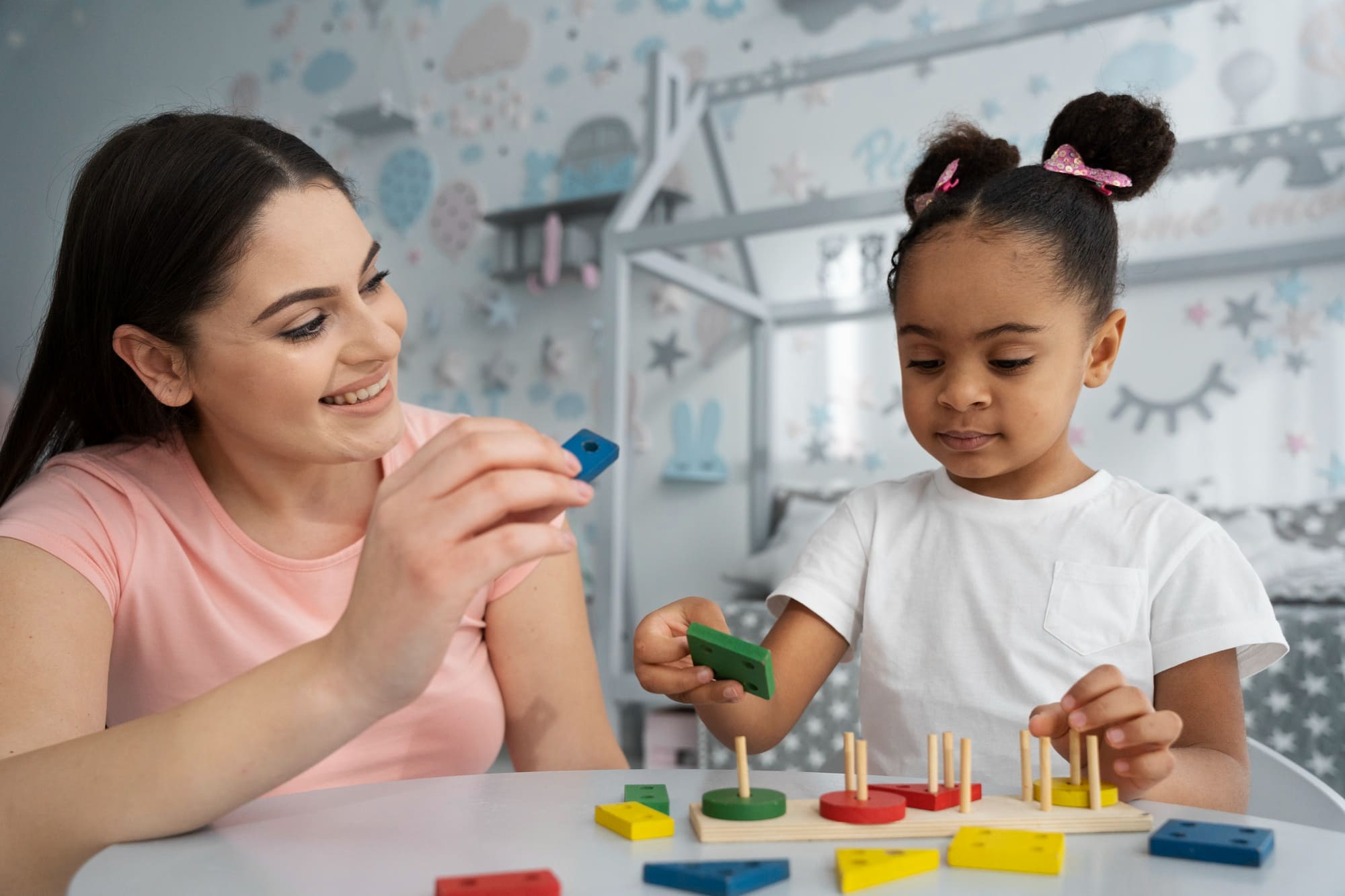
Occupational therapy for children has become one of the most important early intervention services in the United States. As developmental concerns rise and awareness increase, more families are seeking clarity about how pediatric ot supports motor development, sensory processing, emotional regulation and overall functional independence.
According to recent data from the CDC, about 1 in 36 children in the U.S. has an autism diagnosis. National special education reports also show that nearly 15 percent of American children require some form of developmental or learning support before age ten. These numbers help explain why the demand for pediatric occupational therapists continues to grow rapidly in states like California, Texas, New York, Florida, and New Jersey.
For many families, occupational therapy for children becomes a turning point. It offers structured, evidence-based support that helps children navigate everyday activities with greater confidence. Whether a family lives in a major city like Houston or Seattle or in a quieter region like Iowa or Kentucky, early access to OT can change developmental outcomes in meaningful ways.
UniEliCare supports families across these regions by connecting them to licensed pediatric occupational therapists through both in person and virtual sessions. This includes teletherapy support, which is especially helpful for parents dealing with long waitlists in certain states.
This expert guide explains the core science behind pediatric ot, how the process works, why early intervention matters and what skills OT builds in children with sensory, motor, cognitive, or emotional challenges.
What Is Occupational Therapy for Children
Occupational therapy for children is a developmental, functional, and neurological therapy designed to help children build the skills needed for daily participation. These daily occupations include dressing, eating, writing, playing, focusing on class, interacting socially, and managing emotions.
If you have ever searched for what is occupational therapy for kids, you have likely found a mix of clinical definitions and parent-friendly explanations. The formal definition describes OT as a therapeutic approach that promotes engagement in meaningful activities. For children, these meaningful activities look like play, school tasks, movement, and social interaction.

A pediatric occupational therapist evaluates how a child processes sensory information, organizes movement, solves problems and handles emotional demands. From there, the therapist designs a customized plan to support the child’s development. Occupational therapy kids services often include sensory integration, fine motor strengthening, visual motor training, attention building and emotional support strategies.
Read More – Top Types of Therapy for Kids with Autism That Make the Biggest Early Impact
Pediatric OT is used widely for children with autism, ADHD, developmental delays, sensory processing challenges, learning differences and feeding or self care difficulties. Many families on UniEliCare also choose virtual OT sessions, allowing them to access a telehealth occupational therapist for autism or other developmental needs even when local services are limited.
Developmental Science Behind Pediatric OT
Pediatric ot is grounded in neuroscience, motor development theory and sensory integration research. Three core scientific principles guide treatment:
-
Neuroplasticity
Neuroplasticity refers to the brain’s ability to form new connections. Young children have high neuroplastic potential, which means early therapy can create long lasting improvements in emotional regulation, sensory patterns and motor planning.
-
Sensory Integration Theory
Dr. A. Jean Ayres developed sensory integration theory, explaining how the brain interprets touch, sound, movement and visual stimuli. When sensory processing is disrupted, children often show:
- Emotional outbursts
- Poor focus
- Clumsiness
- Avoidance of textures, noise or movement
- Difficulty with transitions
Sensory based occupational therapy for children helps retrain these systems.
-
Motor Learning Theory
Motor learning involves repetition, feedback and adaptation. Pediatric occupational therapists use graded activities that gradually increase complexity so children can master skills like cutting with scissors, writing letters, climbing stairs or tying shoes.
Regions like Massachusetts and Colorado have large research centers focused on early childhood neuroscience. Findings from these areas continue to influence modern OT practices across the country.
Why Early Intervention Matters in the United States
Early intervention is considered one of the most effective strategies in developmental care. The American Academy of Pediatrics highlights that children who receive support before age six show stronger academic, behavioral and social outcomes.
Access, however, varies significantly by location. For example:
- States like Massachusetts, Minnesota and New Jersey have strong early screening programs.
- Families in rural states like Montana or Wyoming often wait months for in person evaluations.
- Large metro regions like Los Angeles, Dallas and Miami have long waitlists due to high demand.
This variability is why many parents choose virtual pediatric ot through UniEliCare. Teletherapy allows families to begin skill building while waiting for local appointments, preventing developmental delays from widening.
How Occupational Therapy for Children Works: The Clinical Process
The OT process follows a structured yet flexible approach backed by developmental research.
-
Comprehensive Evaluation
A standard pediatric OT evaluation includes:
- Parent interview
- Medical and developmental history
- Standardized motor and sensory assessments
- Observation of play, movement, attention and social interaction
Children may be evaluated using tools such as:
- Peabody Developmental Motor Scales
- Sensory Processing Measure
- Beery Visual Motor Integration Test
- Functional Independence Measures
These assessments help identify specific challenges in sensory modulation, fine motor control, attention and self regulation.
-
Functional Observations
Therapists observe how a child engages with toys, follows directions, copes with transitions and interacts with parents. These observations often reveal sensory triggers, motor delays, or emotional patterns that formal tests cannot capture.
Children in busy cities like Chicago or Philadelphia may show different environmental responses than children in quiet rural areas. OT helps them adapt to whichever environments they encounter daily. If you are curious about what happens during online sessions, we explain what a special needs therapist does online in another article.
-
Goal Setting and Treatment Planning
Goals are personalized but usually fall into categories like:
- Improving handwriting or prewriting
- Enhancing core strength or balance
- Reducing sensory overload
- Increasing attention span
- Supporting emotional regulation
- Strengthening self-care independence
Some families begin in person with therapy and transition to virtual support. Others start with a telehealth occupational therapist for autism or sensory needs and move toward hybrid care.
Key Areas of Skill Development in Pediatric OT
Occupational therapy for children targets multiple developmental domains. Below is an expanded clinical explanation relevant to professionals and families.
Fine Motor Development
Fine motor skills involve precise movements of the hands and fingers. OT strengthens:
- Finger isolation
- Pincer grasp
- Wrist stability
- Bilateral coordination
- Tool use such as pencils, scissors and utensils
Studies from states like Virginia and Illinois show that fine motor readiness predicts early academic performance. Difficulties in these areas can impact handwriting, cutting, coloring and buttoning clothes.

Children in virtual UniEliCare sessions often practice fine motor activities at home with therapist guidance, making teletherapy highly effective.
Gross Motor Skills and Postural Control
Gross motor development influences balance, coordination and endurance. Pediatric ot supports:
- Core strength
- Shoulder stability
- Crossing the midline
- Motor planning
- Bilateral motor control
Urban environments like New York or Boston expose children to sensory rich playgrounds, while rural environments provide larger open spaces. OT helps children navigate both.
Sensory Processing and Sensory Regulation
Sensory processing difficulties are present in approximately 40 to 60 percent of children with autism or ADHD, according to developmental studies from Oregon and Michigan. OT helps children:
- Understand their triggers
- Build tolerance to sound, touch or movement
- Use sensory tools to self regulate
- Improve body awareness
Therapists may use techniques such as deep pressure, tactile exploration, vestibular movement or joint compression.
UniEliCare’s teletherapy model allows therapists to demonstrate sensory strategies using everyday items available at home.
Visual Motor and Visual Perceptual Skills
These skills combine visual processing with hand movements. OT supports:
- Eye hand coordination
- Tracking
- Copying shapes
- Spatial awareness
Deficits in these areas often appear in handwriting, puzzles and math related tasks.
Executive Function and Attention Development
Executive functions include planning, organization, impulse control, and working memory. Pediatric ot strengthens executive function through structured routines, visual schedules, sequencing tasks and motor based learning.
Children with ADHD particularly benefit from this area of OT.
Social and Emotional Development
OT supports:
- Emotional regulation
- Problem solving
- Social participation
- Turn taking
- Flexible thinking
Children in Atlanta, Denver and Seattle often mention that the social emotional improvements are what teachers notice first.
Conditions Supported by Occupational Therapy for Children
Pediatric ot is commonly recommended for the following conditions:
- Autism Spectrum Disorder
- Attention Deficit Hyperactivity Disorder
- Sensory Processing Disorder
- Developmental Coordination Disorder
- Learning disabilities
- Intellectual disabilities
- Down syndrome
- Behavioral challenges
- Prematurity related delays
Families in states with higher autism prevalence, such as New Jersey and Maryland, report especially high demand for pediatric OT. Teletherapy helps fill gaps where specialists are limited.
Techniques and Tools Used in Pediatric OT
Techniques vary based on diagnosis, environment and treatment goals. Common evidence based strategies include:
Sensory Integration
- Vestibular swings
- Weighted items
- Tactile bins
- Brushing programs
- Deep pressure activities
Motor Skill Development Tools
- Therapy putty
- Grippers
- Resistance bands
- Lacing cards
- Balance stones
Cognitive and Executive Skills Tools
- Visual schedules
- Task sequencing cards
- Timers
- Social stories
Teletherapy Tools
UniEliCare therapists frequently use:
- Home based sensory kits
- Household tools repurposed for therapy
- Screen based visual supports
- Step by step motor instruction
These methods ensure children progress even without specialized clinic equipment.
Benefits of Occupational Therapy for Children
-
Greater Independence in Daily Tasks
Children become more capable during eating, dressing, grooming and following routines. Parents often report smoother mornings and improved confidence.
-
Improved School Readiness
OT supports handwriting, posture, attention, sitting tolerance, and classroom behavior. Teachers across states like Illinois and Virginia report that fine motor and self-regulation skills are significant predictors of kindergarten success.
-
Strengthened Emotional Regulation
Children learn calming techniques, emotional language, and coping strategies for frustration.
-
Enhanced Social Engagement
OT builds peer interaction skills, turn taking and communication.
-
Better Sensory Stability
Children become more adaptable to noisy, busy or unpredictable environments.
-
Increased Family Understanding
Parents learn what their child is experiencing and how to support them through evidence-based techniques.
How Parents Can Support OT at Home
Support looks different across households. Families living in apartments in New York City may prefer compact sensory activities, while families in Ohio or Texas may set up a backyard obstacle course.
Through UniEliCare’s virtual pediatric ot program, therapists guide parents using whatever materials they already have at home. This helps make home practice sustainable. You can explore our full online therapy for kids guide to understand how telehealth works in detail.
FAQs About Occupational Therapy for Children
- What age should a child begin OT
Children can begin as early as infancy if concerns arise.
- How long does therapy last
It varies widely based on diagnosis, consistency and progress.
- Does OT help with behavior challenges
Yes. Many behaviors are rooted in sensory dysregulation.
- Will teletherapy work for my child
Many children with autism, ADHD or sensory needs progress well in virtual sessions.
- What qualifications should a pediatric OT have
Therapists must hold a professional OT degree, state licensure and pediatric clinical experience.
Conclusion
Occupational therapy for children is grounded in developmental science, neuroscience, and practical skill building. Whether a child struggles with sensory processing, motor coordination, attention, emotional regulation or functional independence, OT offers a structured path toward progress.
Families in major cities like Los Angeles or Chicago, as well as families in quieter regions like Iowa or Kentucky, face very different access challenges. UniEliCare helps bridge this gap by offering verified pediatric occupational therapists through both in person and teletherapy options.

If your child is showing consistent struggles at home or school, early support can create meaningful long-term change. Occupational therapy provides the tools and structure needed to help children move confidently toward independence.