
Your child has started crying over small things, snapping at siblings, or quietly pulling away from everyone. Maybe bedtime has turned into a daily battle, or school mornings feel like walking into a storm. You know something is off, but you cannot quite name it.
You have probably seen the term online therapy for kids pop up on your feed or in a suggestion from another parent. It sounds convenient and modern, but it can also feel unfamiliar. Is it really helpful? Will your child actually talk to someone through a screen? And what will you, as a parent, really see change in day-to-day life?
This guide is here to gently walk you through it. No jargon. No scary tactics. Just a clear look at how online therapy for kids works, what it can help with, and what families typically notice when it starts making a difference.
What Is Online Therapy for Kids?
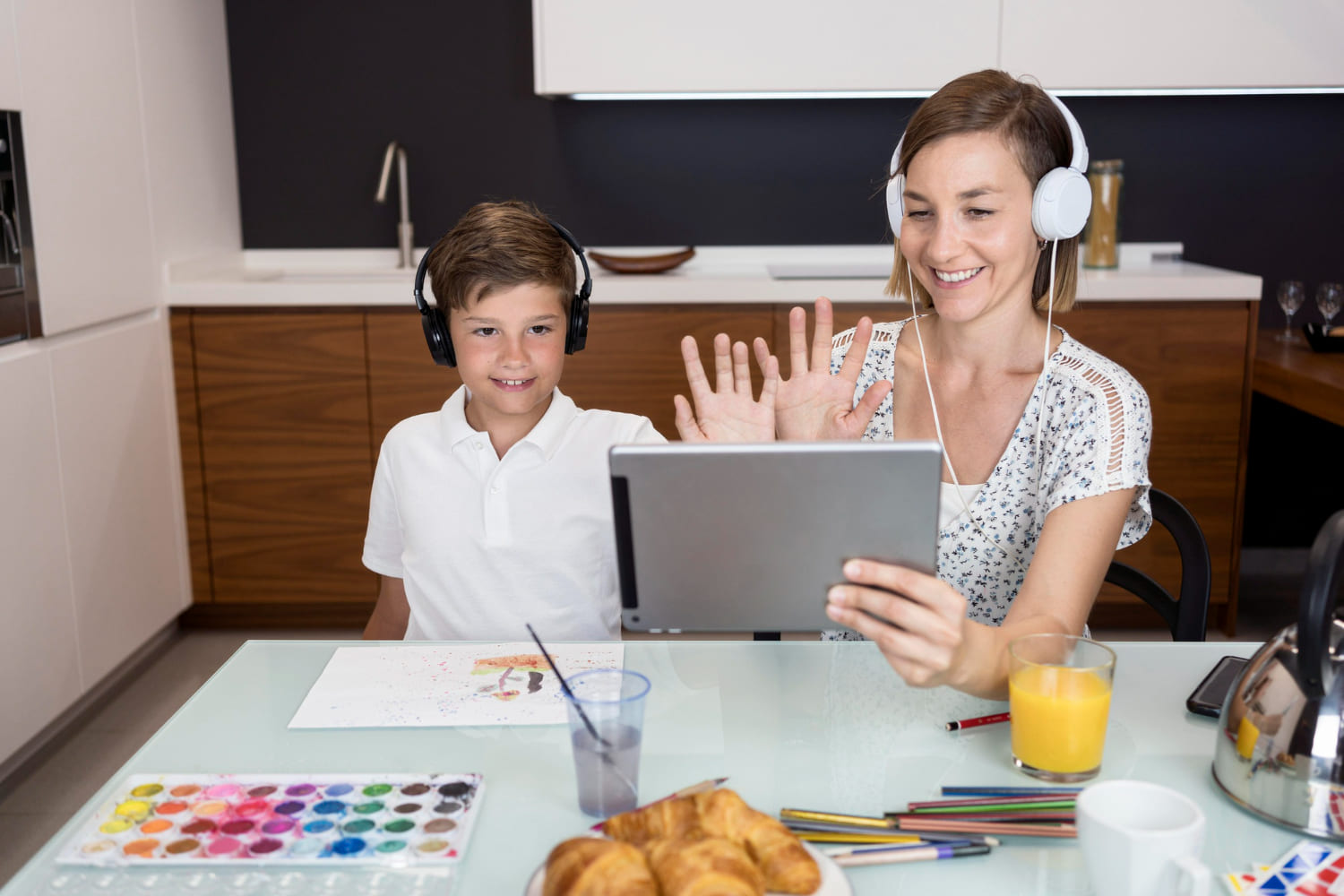
At its core, online therapy for kids is the same as traditional child therapy, but delivered through a phone, tablet, or computer instead of in an office.
A licensed mental health professional connects with your child via a secure video call. Some sessions might also use interactive tools such as whiteboards, games, or screen sharing. The goal remains the same as in person therapy. Help your child understand big feelings, build skills, and cope with challenges in healthier ways.
Most platforms offer therapy for:
- Anxiety, worries, and phobias
- Mood issues and sadness
- Behavioral challenges, like aggression or defiance
- Attention and focus difficulties
- Adjustments after big changes such as divorce, relocation, or loss
- Social struggles, bullying, or friendship issues
For many families, online therapy for kids feels less intimidating than walking into a clinic. Your child sits on their own bed, or at the dining table, with a familiar blanket or toy nearby. That comfort often makes it easier to open up.
When Should Parents Consider Online Therapy for Kids?
There is no perfect “right moment” to get help, and most parents wait longer than they wish they had. You do not need a crisis to try online support- it can be a time when you try to understand developmental milestone by age.

However, some signs suggest your child may benefit from talking to a professional:
- Big emotional reactions that come out of nowhere
- Frequent meltdowns that are hard to calm
- Trouble sleeping, nightmares, or new fears at night
- School refusal, stomach aches, or headaches with no clear medical cause
- Sudden drop in grades or motivation
- Pulling away from friends, family, or activities they used to love
- New behavior at home, such as hitting, lying, or extreme clinginess
Many parents think, “Maybe this is just a phase.” Sometimes it is. But if your gut keeps whispering that something is not quite right, online therapy for kids can provide clarity. Even a few sessions can help you understand whether your child needs ongoing support or just a short period of guidance.
What Does an Online Session Look Like for a Child?
If you have never seen child therapy in action, it is easy to imagine serious conversations and long silence. In reality, especially online, it can look quite different.

A typical session might include:
- A Warm Check In
The therapist often begins by asking simple questions:
- “What has been the best part of your week?”
- “What has been the hardest part?”
This helps your child ease into the conversation and feel seen, not judged.
- Play Based or Activity Based Work
Good child therapists know that kids rarely open up on command. In online therapy for kids, they may use:
- Drawing on a virtual whiteboard
- Simple games or stories
- “Feelings charts” or emojis
- Role play with characters or toys
These tools give children a safe way to show what they are feeling when words are still hard.
- Skill Building
Depending on your child’s needs, the therapist might teach:
- Coping skills for big emotions
- Ways to handle anxiety or worries
- Problem solving tools for conflicts at school or home
- Strategies for focus, routines, and frustration
It might feel like play, but underneath, there is a clear plan to help your child think, feel, and cope differently.
- Parent Check In
For younger children, many therapists include a short parent segment either at the beginning or end of the session. This is where you might:
- Hear what they are working on
- Ask questions about behaviors at home or school
- Get simple, realistic ideas to try during the week
You are not expected to “fix” everything alone. The therapist becomes part of your team.
What Does Online Therapy for Kids Actually Help With?
Parents often ask, “But what will really change?” That is a fair question. You are investing time, emotion, and money. You want to understand the possible outcomes.
Here are some shifts families commonly notice over time.
Emotional Changes
- Fewer explosive meltdowns
- Shorter distress episodes when something goes wrong
- More words like “I feel angry” or “I feel worried” instead of kicking or yelling
- Slightly easier mornings or bedtimes
Behavioral Changes
- Less door slamming, shouting, or hitting
- Better ability to pause before reacting
- More willingness to repair situations such as apologizing or trying again
Social Changes
- More confidence to speak up in class or with friends
- Better coping when children feel left out
- Greater ability to handle teasing or minor conflicts
Internal Changes That You Might Not See Right Away
Some benefits of online therapy for kids are quieter and more internal:
- A child who previously thought “Something is wrong with me” starts to think, “I am having a hard time, and I can learn to handle it.”
- A shy or anxious child feels less alone, because they have someone neutral they can talk to.
- A strong willed child learns that feelings are valid, but actions are their choice.
These changes accumulate slowly, like stacking small blocks week after week.
Benefits of Online Therapy for Kids Compared to In Person
Both formats can work well. The “better” option is whatever your family can realistically stick with. Online therapy for kids often has a few advantages:
Convenience
No rush hour traffic. No dragging siblings along. No packing bags and snacks. You and your child log in from home, which makes it easier to stay consistent over months.
Comfort
Many children feel safer in their own environment. A favorite chair, stuffed animal, or pet nearby can lower anxiety and help them talk more freely.
Access to Specialists
If you live in a smaller town, it can be hard to find a therapist who specializes in children or specific needs. Online options let you connect with people who genuinely know how to work with kids, rather than just “also seeing children” occasionally.
Flexibility for Parents
Parents can sometimes join from work during a break, or attend a short parent only segment without losing half a day. This can be a big deal if you are juggling multiple jobs or childcare responsibilities.
Are There Limitations to Online Therapy for Kids?
It is important to be honest. Online therapy is helpful, but not perfect for every situation.
It may not be the best fit when:
- There is immediate safety risk, such as self harm or serious harm to others
- A child is very young and struggles to stay on camera even for a few minutes
- There are severe sensory needs that make screens too overwhelming
- The family has very limited internet access or privacy at home
In those cases, in person care or a combination of in person and online may be safer and more effective. A good provider will tell you openly if they feel your child needs a different level of support.
How Can Parents Choose a Good Online Therapist for Their Child?
Choosing someone for online therapy for kids can feel like a big decision. You want someone who “gets” your child, respects your family’s values, and also has the right training.
Here are practical steps.
- Look for Child Specific Experience
Check whether the therapist:
- Works primarily or often with children
- Has training in child centered methods like play therapy, CBT for kids, or parent coaching
- States experience with your child’s age group and concerns
- Ask Simple, Direct Questions
During a consultation, you can ask:
- “Have you worked with kids who struggle with ___ before?”
- “How do you keep children engaged online?”
- “How do you involve parents without making kids feel watched or judged?”
Their answers will tell you a lot about their style.
- Notice the First Few Sessions
You do not need to decide after one meeting, but pay attention to:
- Does your child feel nervous but willing to go back, or strongly resistant every time?
- Do you receive at least a small, clear takeaway as a parent, such as a skill to try or a pattern to watch for?
- Does the therapist listen to you, not just talk at you?
If something feels off, it is okay to try another provider. A good therapeutic fit is part of why online therapy for kids works at all.
What Parents Actually See Over Time
Progress in therapy rarely looks like a straight line. Parents often describe it like this:
- “The meltdowns are not gone, but they are shorter, and she calms down faster.”
- “He is still anxious, but now he tells me when he is nervous instead of exploding.”
- “School is still hard, but the teacher says he is raising his hand more and walking away from fights.”
You might also notice changes in yourself.
You may feel less alone, more informed, and slightly more patient because you now understand what is going on underneath the behavior. That shift matters as much as the child’s progress, because you are with them every day, not just one hour a week.
Frequently Asked Questions
Q. Is online therapy safe and private for children?
A. Reputable platforms like UniEliCare use secure, encrypted video tools and follow privacy laws. Parents can ask providers how sessions are protected and what is shared with caregivers or schools.
Q. What age can kids start online therapy?
A. This depends on the child. Some four or five year olds can manage short, play based sessions with a lot of parent involvement. Many platforms focus on school age children and teens, who can stay on screen a bit longer.
Q. Will I be in the session with my child?
A. Often, yes, especially for younger kids. Therapists may mix parent and child time, sometimes starting together, then having a short one to one segment with the child, then closing with the parent again.
Q. How long before I see changes?
A. Some families notice small shifts within a few weeks, like better language for feelings or fewer outbursts. Deeper, more stable changes usually take months. Consistency is more important than speed.
Q. Can online therapy for kids work alongside in person services?
A. Yes. Many children benefit from a mix. For example, in person occupational therapy or speech therapy combined with online counseling for emotional support and coping skills.
A Final Word for Parents
If you are reading about online therapy for kids, it probably means you are already paying close attention to your child’s inner world. That alone matters more than you know.
You do not need to have everything figured out before you reach out for help. You do not need to have the “perfect” words to describe what your child is going through. You only need that quiet sense that they could use another safe adult in their corner.
Online therapy for kids is not magic. It is a structured, gentle space where your child can slowly untangle big feelings, and where you can get practical tools instead of guesswork.
Small changes add up. A softer bedtime, one less meltdown, a new sentence like “I feel nervous” instead of a slammed door. Those are not just nice moments. They are signs that healing, learning, and growth are already underway.